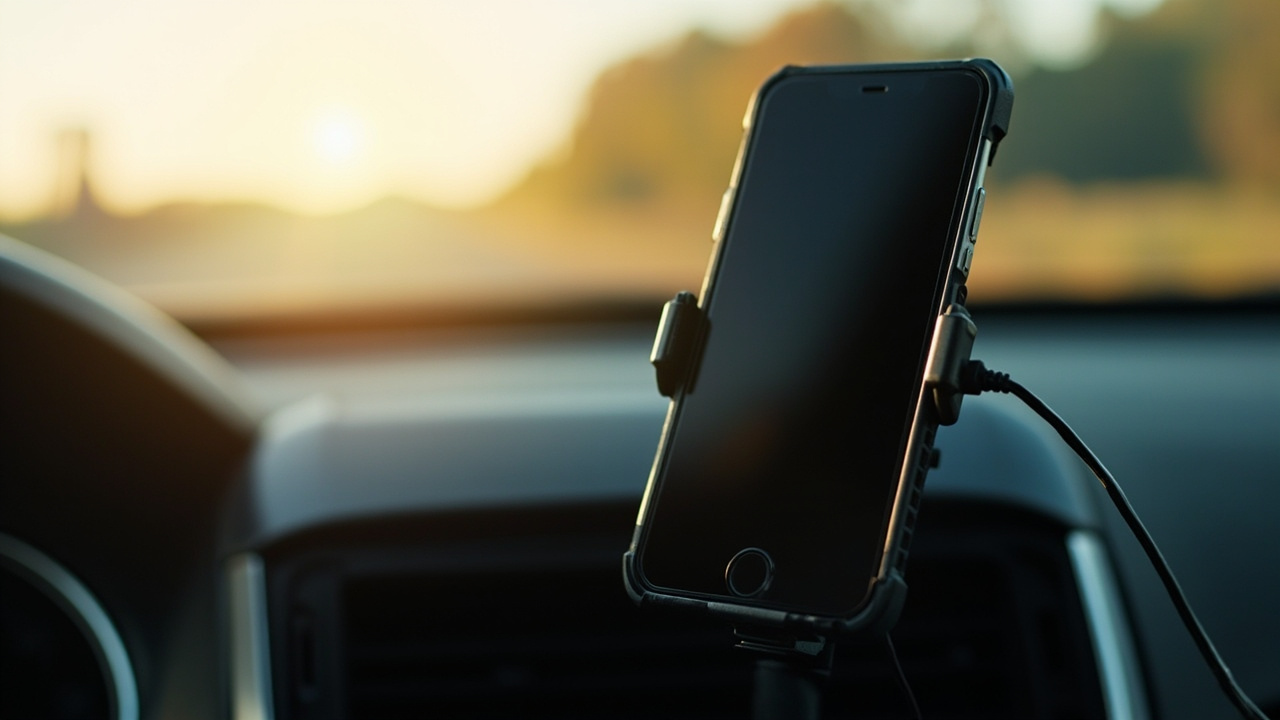
Wireless Android Auto feels magical when it works, but the experience hides trade-offs the marketing glosses over. Latency creeps into map interactions, battery drain forces wireless charging, heat builds up under sustained use, and audio quality suffers from extra compression. After six months of wireless use and one month back on a cable, the verdict is clear: wired wins.
The convenience is real; so are the costs.
Wired vs. Wireless Android Auto
| Factor | Wired | Wireless |
|---|---|---|
| Latency | Near-instant | 100–200ms delay |
| Power draw | Single USB radio | Wi-Fi Direct + Bluetooth + GPS simultaneously |
| Charging | Fast, stable, phone at zero load | Heat from wireless charging compounds with radio stack |
| Audio | Uncompressed, full bitrate | Compressed for stream stability |
| Safety impact | No added cognitive load | Hesitation on voice commands, sluggish map response |
How we got here
Android Auto started as a wired-only system, but car makers and aftermarket dongle makers quickly embraced wireless as a premium feature. The pitch was clean: no cable, no fumbling, instant dashboard connection. The reality was messier—the wireless stack runs Bluetooth for handshake and calls, Wi-Fi Direct for projection, and full GPS when the car doesn't share location data.
Our analysis
The latency tax is the most noticeable issue. On a wired connection, taps and drags hit the head unit instantly. Wireless adds 100–200ms—tolerable at a desk, distracting at 60mph. That delay extends to Google Assistant: a voice command button press becomes a beat of hesitation, which encourages users to repeat themselves right as the system starts listening. The result is muddled queries and higher mental workload in a situation demanding full attention.
The battery and heat story cuts deeper. Wireless Android Auto forces the phone to run Wi-Fi Direct, Bluetooth, GPS, and the interface simultaneously—drawing far more power than most drivers expect. The instinctive fix is wireless charging, but this creates a vicious cycle: charging generates heat, the radio stack generates heat, and the phone throttles charging to protect itself. On a long drive, you arrive with a warm, half-dead device.
Wired sidesteps both problems. The phone charges fast, runs cooler, and responds crisply. Audio quality is the third win: wired carries audio as a USB data stream, while wireless compresses for stability—robbing fidelity even if you've paid for high-quality streaming or carry lossless files.
The trade-off is obvious: you plug in. The gains—battery health, safety, audio fidelity—are not trivial.
Who should care
- Daily commuters**: Wired mode means arriving with a full charge and a cooler phone every day.
- Audiophiles**: If you're streaming Apple Music Lossless or Spotify Ultra HD, the difference is audible.
- Safety-conscious drivers**: Lower latency and instant Assistant response reduce distraction time.
- Road-trippers**: Six-hour drives with wireless mode often end with a throttled, drained phone.
Wireless makes sense primarily for short trips where battery isn't a concern and the cable is genuinely inconvenient.
What to watch next
Watch the rollout of Wi-Fi 7 in cars and phones. Faster wireless projection may shrink the latency tax. Watch phone manufacturers' thermals, too: chips that handle heat better reduce throttling, but they don't fix codec compression in wireless audio paths.
Key takeaways
- Wireless Android Auto adds 100–200ms latency and drains battery faster than wired mode.
- Wired mode charges the phone efficiently, runs cooler, and avoids audio compression entirely.
- The convenience of wireless is real, but the costs—safety, audio, battery health—are measurable, especially on long drives.
Frequently asked questions
Does wireless Android Auto drain the battery faster?
Yes. Wi-Fi Direct, Bluetooth, and GPS run simultaneously, which draws significantly more power than wired mode.
Why does wired Android Auto have lower latency?
A USB cable connects directly, while wireless mode uses Wi-Fi Direct for data and Bluetooth for handshakes, adding 100–200ms of latency.
Does wireless Android Auto use compressed audio?
Yes. Wireless audio paths compress the signal for stream stability and low latency, which trades off fidelity.
Can wireless charging damage my phone in the car?
Heat from wireless charging plus the radio stack can push the phone hot enough to throttle charging, especially on long drives.
Is wired Android Auto still worth it?
For battery health, lower heat, and better audio, wired mode remains the more reliable choice for daily drivers.